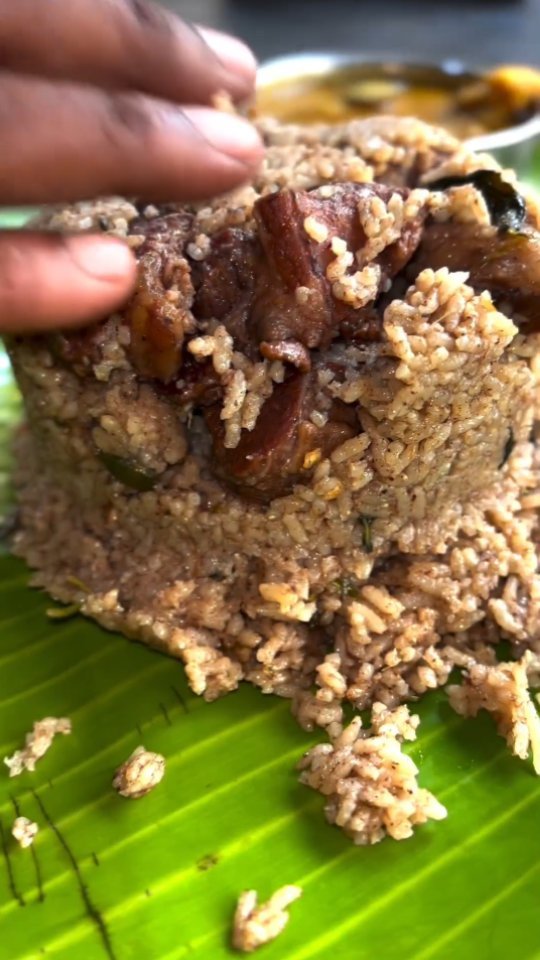
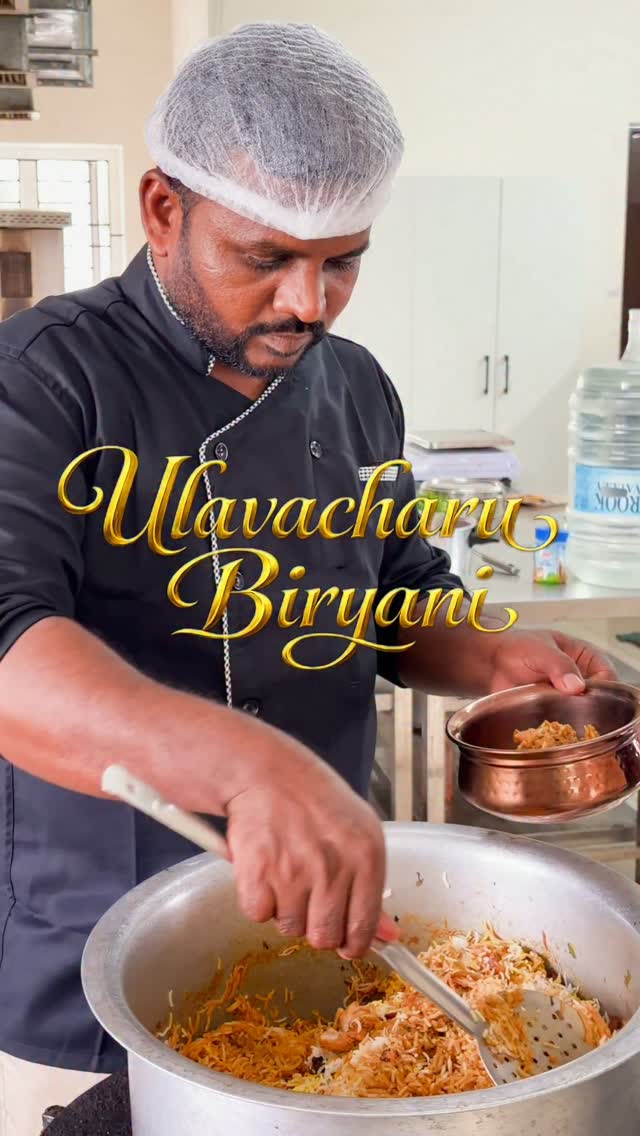
Whether you want to add biryani to a restaurant menu or start a biryani shop, this page sets out what the academy’s biryani (also spelt biriyani) training lists, so you can choose the styles and topics that suit your plan.
Chicken and mutton biryani are taught in all seven styles: Chennai Style Dum, Ambur Style Seeraga Samba, Dindigul (Dindugal), Hyderabadi, Arabian Mandi, Ulavacharu and Thalassery (Thalasseri). Chennai, Ambur, Hyderabad and Ulavacharu also list veg and fish biryani with raita, brinjal curry and bread halwa. Ambur Style is made with seeraga samba rice. Dindigul and Mandi add the listed marination, rice levels, masala ingredients and production-cost topics. Mandi is its own Arabian preparation style within this course.
The course lists marination and bulk preparation as commercial applications, together with production-cost calculation. Training follows a 90% practical and 10% theory (SOP) format, so the focus stays on hands-on preparation in the academy kitchen.
Cooking skills are one part of a biryani business. Food costing, menu engineering and pricing — along with manpower, materials, machinery, marketing and management — are part of the academy’s 6M business guidance, which you can discuss alongside your biryani module selection.
- Which biryani styles can I learn?
- Seven styles are taught: Chennai Style Dum, Ambur Style Seeraga Samba, Dindigul, Hyderabad Style, Arabian Mandi, Ulavacharu Style and Thalassery (Thalasseri) Style Biryani. You can select one style or combine several in a customised course enquiry.
- Are chicken and mutton biryani included?
- Yes. Chicken and mutton versions are taught in every style — including Dindigul Chicken and Mutton Biryani, Arabian Chicken and Mutton Mandi, and Thalassery Chicken and Mutton Biryani. Chennai, Ambur, Hyderabad and Ulavacharu also include veg and fish biryani.
- Is the training practical?
- Yes. The biryani course follows a 90% practical and 10% theory (SOP) format at the academy’s training kitchen.
- How long is the course and what does it cost?
- Duration, schedules and fees depend on the styles and modules you select, so they are confirmed directly by Fine Dine Academy when you send your enquiry.
- Is this suitable if I want to start a biryani business?
- The course includes production-cost calculation and commercial bulk preparation. For business planning beyond the recipes, you can also discuss restaurant business training or food business training with the academy.
- Where does the training take place?
- All hands-on training takes place at the academy in Madambakkam, Tambaram, Chennai. Students from across Tamil Nadu are welcome to attend there.